 AI hackers4 minGoogle’s Big Sleep agent caught a real SQLite flaw before release, and DARPA’s AI Cyber Challenge finalists found 18 real bugs in open-source code. What autonomous security agents can do, and why it cuts both ways.Read now →
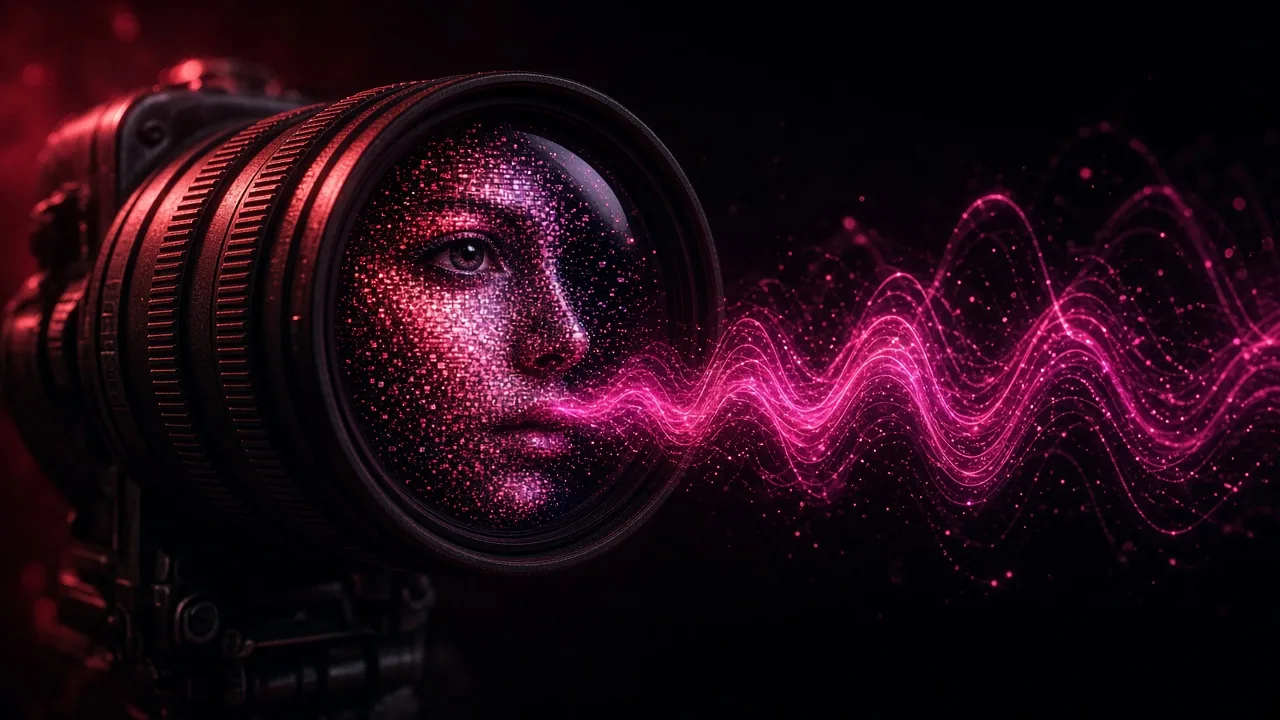
AI Video Just Learned to Talk. “Seeing Is Believing” Is Officially Dead
Google’s Veo 3 and OpenAI’s Sora 2 added synchronized speech and sound to AI video, and the clips got good enough to fool your feed. Here is how we got here and how to spot what is real.
Advertisement
AdSense slot · articleTopplaceholder until ca-pub ID is set
For a while, AI video had a tell. Clips were silent, or paired with stock music, and something always felt slightly off: hands melting, physics wobbling, faces drifting. That era ended fast.
In May 2025, Google unveiled Veo 3 at its I/O developer conference, a video model that generates native audio along with the picture: dialogue with lip sync, sound effects and background noise, all from a text prompt. On September 30, 2025, OpenAI followed with Sora 2, which also generates synchronized dialogue and sound, and launched it alongside a social app built around AI video.
Within weeks, AI clips with talking characters were all over short-video feeds, and plenty of viewers could not tell which ones were real.
From silent clips to talking scenes in under two years
The speed of this is the story.
Advertisement
AdSense slot · articleMidplaceholder until ca-pub ID is set
- February 2024: OpenAI previewed the first Sora, showing minute-long clips that stunned the industry, though it was available only to a small group of testers at first.
- Through 2024: Competitors including Google’s Veo, Runway, Luma and Kling raced to ship their own text-to-video models, each improving resolution, motion and consistency.
- May 2025: Veo 3 made sound part of the generation itself, not an afterthought.
- September 2025: Sora 2 arrived with better physics, sound, and a “cameo” feature that lets users, with consent, insert a verified likeness of themselves into generated scenes.
Synchronized audio was the missing piece. Our brains forgive a lot in silent video. A character who speaks with matching lips and room sound crosses a threshold into feeling real.
What these tools are great for
The creative upside is enormous, and it is why creators are piling in:
- Storyboards and pre-visualization. Directors and ad agencies can test a scene before paying for a shoot.
- B-roll and explainers. YouTubers can illustrate ideas that would be impossible or too expensive to film.
- Short-form entertainment. Comedy sketches, surreal shorts and fan-made scenes are now one-person productions.
- Education. Historical recreations, science visualizations and language-learning dialogues.
The problem: your feed can no longer be trusted by default
The same realism that makes these tools fun makes them dangerous. Convincing fake video can be used for scams, harassment, political misinformation and fake endorsements. A fake clip of a celebrity “recommending” an investment, or a fabricated video of a public figure saying something outrageous, no longer requires a visual effects studio.
The industry’s main defenses fall into two groups.
Watermarks and provenance. OpenAI says Sora videos carry a visible watermark and embed C2PA metadata, an industry standard for content credentials that records how a file was made. Google embeds an invisible watermark called SynthID in content generated by its models. These help, but visible marks can be cropped and metadata can be stripped when a file is re-uploaded or screen-recorded.
Likeness controls. Features like Sora’s cameos are built around consent: you verify your identity and decide who can use your likeness. That is a meaningful step, but it only governs that one app, not the wider internet.
How to spot AI video in the wild
No single check is foolproof anymore, but stacking a few catches a lot:
- Check the source before the pixels. Who posted it first? A verified news outlet, the person’s own account, or a random repost account? Provenance beats pixel-peeping.
- Look for watermarks and labels. Many platforms now label AI-generated content, and some tools show content credentials when available.
- Watch the details. Text on signs, hands, jewelry, reflections and background people are still common weak spots, especially across cuts.
- Listen closely. Voices can be too clean, room sound may not match the space, and emotional delivery can feel flat or oddly timed.
- Be most skeptical when it is outrageous. If a clip is designed to make you angry or to get you to send money, slow down. That is exactly what fakes are optimized for.
- Search for corroboration. Real events of public interest are usually captured by multiple people from multiple angles.
What creators should do
If you publish AI video, label it. Viewers increasingly reward transparency, platforms increasingly require it, and in many places rules around deceptive synthetic media are tightening. Never use real people’s likenesses without permission, and keep your own originals and project files so you can prove what you made.
The bottom line
In less than two years, AI video went from silent, glitchy curiosities to talking scenes that can pass for real in a scrolling feed. That is a creative revolution and a trust crisis at the same time. The new default for anything surprising you see online: assume it might be generated until the source tells you otherwise.
Sources
- Google, “Fuel your creativity with new generative media models and tools”, May 20, 2025
- OpenAI, “Sora 2 is here”, Sept. 30, 2025
- OpenAI, “Sora: Creating video from text”, Feb. 2024
- C2PA (Coalition for Content Provenance and Authenticity)
- Google DeepMind, SynthID
More stories you'll want to read
AI hackers4 minGoogle’s Big Sleep agent caught a real SQLite flaw before release, and DARPA’s AI Cyber Challenge finalists found 18 real bugs in open-source code. What autonomous security agents can do, and why it cuts both ways.Read now →
 AI water use5 minOne side says every chatbot reply drinks a bottle of water. The other says it is five drops. Both are quoting real studies. Here is what each number actually measures, and the part of the debate that really matters.Read now →
 AI ran a shop5 minEveryone wants an AI agent that runs a business on autopilot. Anthropic actually tried it with a real office store. What went wrong is the best free lesson in agent-run businesses you will find.Read now →
 It uses your PC5 minComputer-use agents click, type and scroll like a person. They are genuinely useful for some jobs and dangerously unreliable for others. Here is how to tell the difference.Read now →
 The 7-month rule4 minResearchers at METR found a simple way to measure AI progress, and the answer is a doubling curve. Here is what it measures, why it matters, and the caveats nobody puts in the thumbnail.Read now →
 19% slower?!4 minA randomized trial with experienced open-source developers found AI tools slowed them down, even as they felt sped up. Here is what the study really shows and how to avoid the trap.Read now →